

Let´s Grow Some Coral!
Land Based (Ex -Situ) Coral Nursery
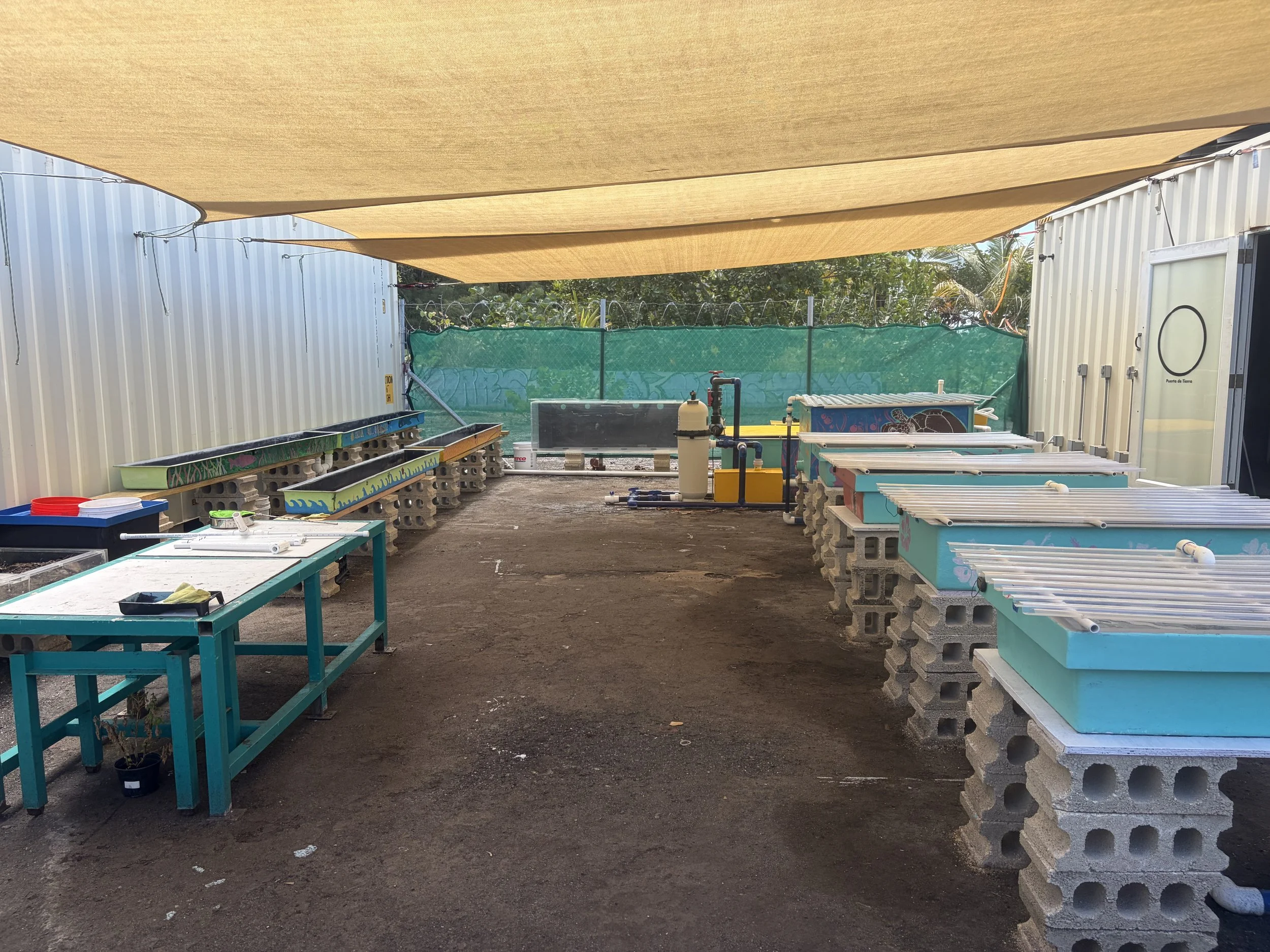
Pa´Ti Mar is the only land-based coral nursery in San Juan, Puerto Rico. Our facility features six tanks dedicated to cultivating three key coral species that form the foundation of our reefs — Montrastraea cavernosa (Great star coral), Pseudodiploria strigosa (Symmetrical brain coral), and Porites astreoides (Mustard hill coral).
Our tanks collectively hold between 4,000 and 5,000 coral fragments, supporting the restoration and strengthening of local reef ecosystems. This land-based growing method accelerates coral growth and allows precise control of water quality, leading to higher survival and success rates.
Most importantly, this approach lets us protect our coral from Stony Coral Tissue Loss Disease (SCTLD) — a fast-spreading, lethal disease that has devastated coral populations across the Caribbean and impacted over 95% of Florida’s reefs. By working on land, we safeguard our corals from this ongoing threat and give them the best possible start before returning them to the ocean.
Meet the Coral
Pa’Ti Mar is focusing on cultivating three coral species found on Puerto Rico’s reefs: Symmetrical Brain (Pseudodiploria strigosa), Great Star Coral (Montastraea cavernosa), and Mustard Hill Coral (Porites astreoides).
These stony, reef-building corals are important members of Caribbean reef communities. By cultivating these species in our land-based nursery, we aim to support the restoration and long-term health of our local reefs while learning more about how different coral species grow and respond to changing environmental conditions.
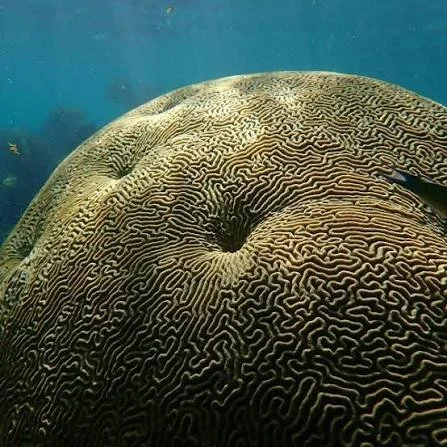
Great Star Coral (Montastraea cavernosa)
Great Star Coral forms large, rounded or mound-shaped colonies covered in distinctive, star-like polyps. It can live across a wide range of depths, from shallow reefs to much deeper reef environments. Its ability to grow under different light and depth conditions makes it an important and widespread member of Caribbean coral communities.
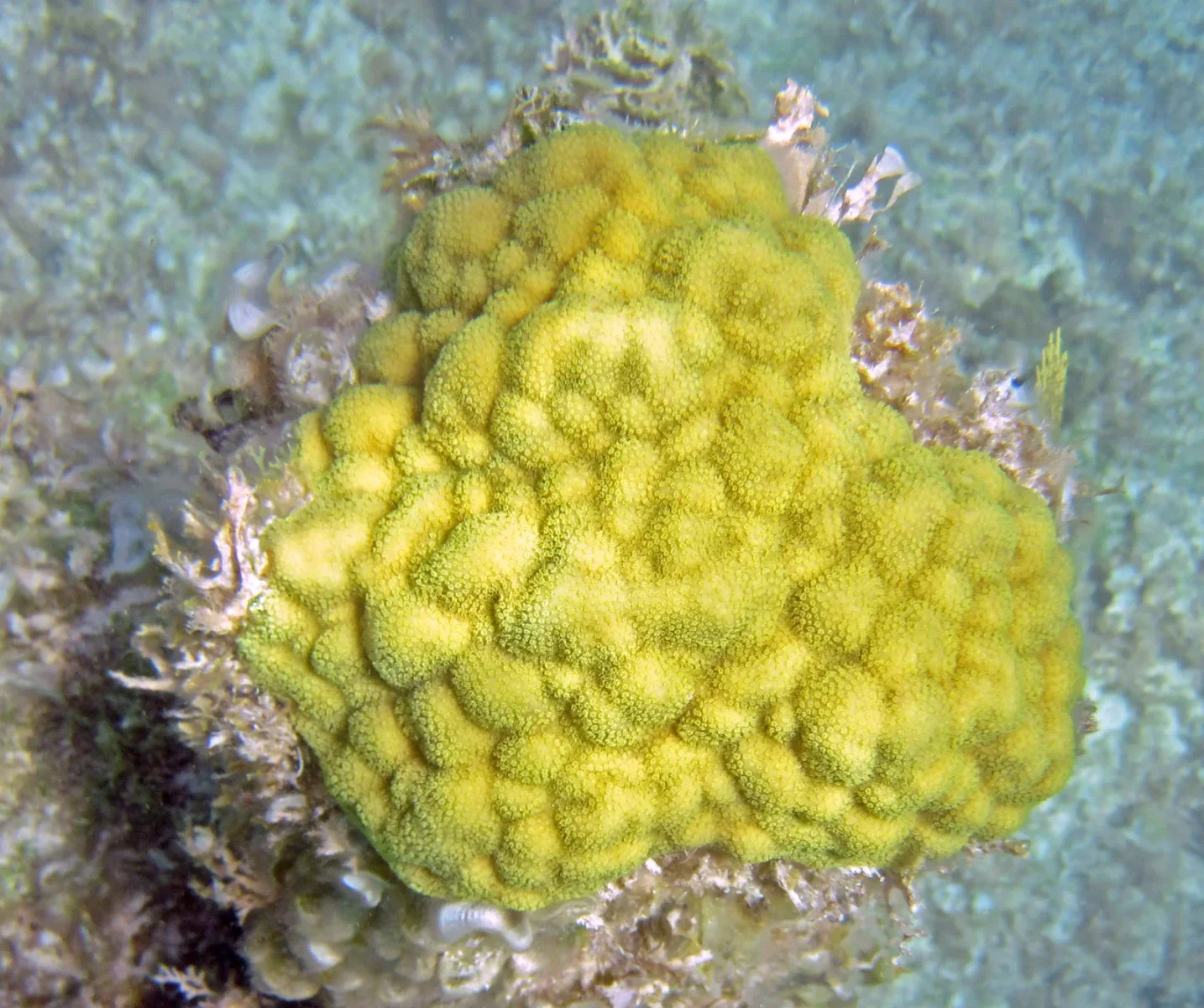
Symmetrical Brain Coral (Pseudodiploria strigosa)
This coral gets its name from the winding ridges and valleys across its surface that resemble the folds of a brain. Colonies can grow into large, rounded formations or spread across the reef in an encrusting form. It is found throughout a variety of reef environments, particularly in shallow reef habitats.
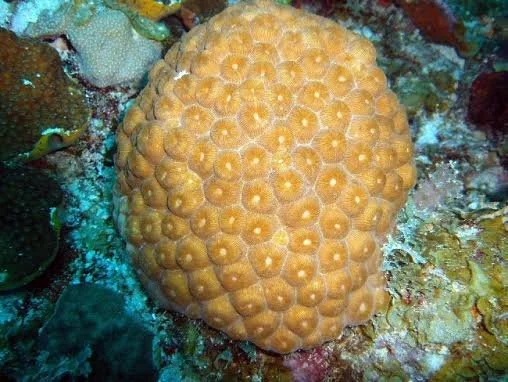
Mustar Hill Coral (Porites astreoides)
Mustard Hill Coral is named for its characteristic yellow to yellow-brown coloring and the small, rounded mounds it often forms. Depending on its environment, it can grow as a rounded colony or spread across the reef in an encrusting form. It has tiny, closely packed polyps.
Our Location
Our Facilities
